What to Expect During the Gunite Pool Construction Process in Houston, TX
Explore the gunite pool construction process in Houston, TX, from custom design and excavation to finishing and startup with Creative Lifestyle Pools.
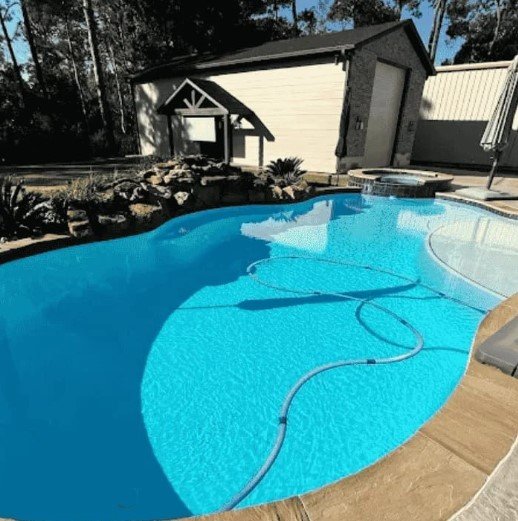
Building a custom swimming pool is an exciting investment, but many homeowners have questions about what happens between the initial design and the first swim. Understanding the construction process helps you make informed decisions, prepare your backyard, and know what to expect at every stage.
For homeowners considering gunite pool construction in Houston, TX, the process involves careful planning, property evaluation, excavation, structural work, plumbing, finishing, and final startup. Each stage plays an important role in creating a pool that fits your property and outdoor lifestyle.
Creative Lifestyle Pools has been designing and building custom gunite and concrete pools across Greater Houston since 1973. With owner Jim Monkemeier involved from the initial design through construction and startup, the company focuses on building pools around each homeowner's property, preferences, and budget.
Step 1: Initial Consultation and Property Evaluation
Every successful pool project begins with understanding the homeowner's goals. Before construction starts, the pool builder needs to learn how you plan to use your outdoor space.
You may want a pool for family recreation, exercise, entertaining guests, or relaxing after a long day. Your preferences help determine the pool's size, shape, depth, and additional features.
The property also needs to be evaluated. Important considerations include available backyard space and property layout, access for excavation and construction equipment, existing patios and landscaping, trees and drainage, pool placement in relation to the home, and space for equipment and plumbing.
In Houston, local soil conditions, seasonal rainfall, and drainage deserve particular attention. Much of the region has expansive clay soils that can change with moisture levels. Understanding these conditions helps guide the planning and structural requirements of a custom pool.
Step 2: Custom Pool Design and Planning
Once the property and your preferences are understood, the next step is developing a design that works for your backyard.
One of the biggest advantages of a gunite swimming pool is its design flexibility. Unlike prefabricated pool shells, gunite pools are formed on-site, allowing homeowners to choose custom shapes, depths, and integrated features.
Depending on your property and budget, your design may include rectangular or geometric pool layouts, free-form and lagoon-style swimming pools, built-in benches and seating areas, Baja shelves and tanning ledges, integrated spas and raised spillways, waterfalls and decorative water features, and custom steps and depth transitions.
The design should also consider decking, coping, lighting, landscaping, and the location of pool equipment. Planning these details early helps create a more cohesive backyard environment.
Step 3: Permits, HOA Approval, and Engineering
Before excavation begins, the necessary project approvals and structural planning need attention.
Pool construction requirements vary depending on the property location. Homeowners may need permits, engineering documentation, inspections, and HOA or architectural approval.
This stage helps establish that the proposed pool design meets applicable requirements before construction moves forward.
Important considerations may include property boundaries and pool placement, required safety barriers and access arrangements, structural engineering specifications, drainage and site conditions, equipment placement and plumbing plans, and local building and inspection requirements.
Planning these details before construction helps reduce avoidable delays and keeps the project organized.
Step 4: Excavation and Steel Reinforcement
After the design and required approvals are established, the construction site is prepared for excavation.
The pool area is excavated according to the approved dimensions, shape, and depth profile. The excavation must account for steps, benches, tanning ledges, spas, and other planned features.
Next, steel reinforcement is installed to form the structural framework of the pool.
This stage is especially important because the steel reinforcement provides the framework around which the concrete shell is constructed. Its placement and spacing must follow the project's structural requirements.
Houston's soil conditions make proper site evaluation and structural planning particularly important. Ground movement, drainage, and groundwater conditions should be considered as part of the construction approach.
Step 5: Gunite Application and Pool Shell Construction
With excavation and steel reinforcement complete, the gunite application creates the pool's structural shell.
Gunite is a concrete application method in which a cement-based mixture is sprayed under pressure over the steel reinforcement. The material is shaped to create the pool's walls, floor, steps, benches, and other integrated features.
This is one of the most important stages of gunite pool construction because the shell establishes the overall structure and shape of the swimming pool.
A professionally planned gunite shell allows for custom designs that can include curved and geometric layouts, multiple swimming depths, raised spas, integrated seating, tanning ledges, and custom water features.
After application, the shell requires appropriate curing before the remaining construction work proceeds.
Step 6: Plumbing, Equipment, and Water Systems
Once the structural work is ready, the pool's plumbing and equipment are installed or completed.
These systems help circulate, filter, and maintain the water. Their design should match the pool's size, features, and intended use.
Depending on the project, equipment may include pool pumps, filtration systems, plumbing and circulation lines, pool lighting, automation and control systems, ozone water treatment systems, and alkaline pool water systems.
Creative Lifestyle Pools also offers advanced water system options, including ozone and alkaline water technology. Discussing these options during the planning stage helps ensure the selected equipment works with the overall pool design.
Step 7: Tile, Coping, and Interior Finishes
After the structural and equipment work is ready, attention turns to the pool's appearance.
The finishing stage brings together the colors, textures, and materials that define the finished swimming pool.
Common finishing options include waterline tile for decorative detail, glass tile for customized accents, pool coping around the perimeter, plaster interior finishes, pebble and quartz finishes, and decorative stone around water features.
Your finish selection affects the pool's appearance, surface texture, and maintenance considerations. It is worth comparing the available materials before making a final decision.
The surrounding decking and other outdoor features also help connect the pool with the rest of your backyard.
Step 8: Final Startup and First Swim
Once construction and finishing work are complete, the pool moves into its startup stage.
The pool is prepared for operation, the water is filled and balanced, and the equipment is checked. Homeowners should also receive a walkthrough explaining how to operate their pool systems and understand basic maintenance requirements.
Before using the pool, make sure you understand how to operate the pump and filtration system, how to use lighting and automation controls, how to monitor water chemistry, what routine cleaning and maintenance involve, and how any installed water treatment system operates.
A proper walkthrough helps homeowners feel comfortable using and maintaining their new swimming pool.
How Long Does Gunite Pool Construction Take in Houston?
There is no single construction timeline for every custom pool. The schedule depends on the design, property conditions, project features, approvals, and weather.
Several factors can affect how long construction takes, including pool size, depth, and design complexity; excavation access and ground conditions; structural engineering requirements; permits and HOA approval; plumbing and equipment installation; tile, coping, and interior finish selections; and rainfall or other weather interruptions.
A pool with an integrated spa, waterfall, and extensive decking may require more work than a simpler design. Your builder should explain the expected schedule based on your specific project.
Why Choose Creative Lifestyle Pools for Gunite Pool Construction?
Choosing the right pool builder is just as important as selecting the design and materials. A well-planned project requires clear communication, attention to construction details, and an understanding of local property conditions.
Creative Lifestyle Pools has served Greater Houston homeowners since 1973, specializing in custom gunite and concrete pools, water features, and advanced pool water systems.
Owner Jim Monkemeier stays involved throughout the project, from the first design conversation to construction and final startup. This owner-led approach gives homeowners a direct point of contact and helps keep the approved design connected to the finished pool.
The company serves Houston, Cypress, Spring, Bridgeland, Tomball, Katy, The Woodlands, Sugar Land, Bellaire, Magnolia, and nearby communities.
Whether you envision a modern geometric pool, a free-form backyard retreat, or a custom pool with an integrated spa, Creative Lifestyle Pools can help you explore the design and construction options for your property.
Start Planning Your Custom Pool with Creative Lifestyle Pools
A custom swimming pool should complement your property, fit your lifestyle, and reflect the features you want to enjoy for years to come. Understanding the construction process makes it easier to plan your project and make confident decisions along the way.
Creative Lifestyle Pools brings decades of local experience to custom gunite pool construction, water features, and complete backyard pool projects.
Ready to discuss your ideas? Contact Creative Lifestyle Pools to schedule a conversation with Jim and explore the possibilities for your Houston backyard.
Frequently Asked Questions